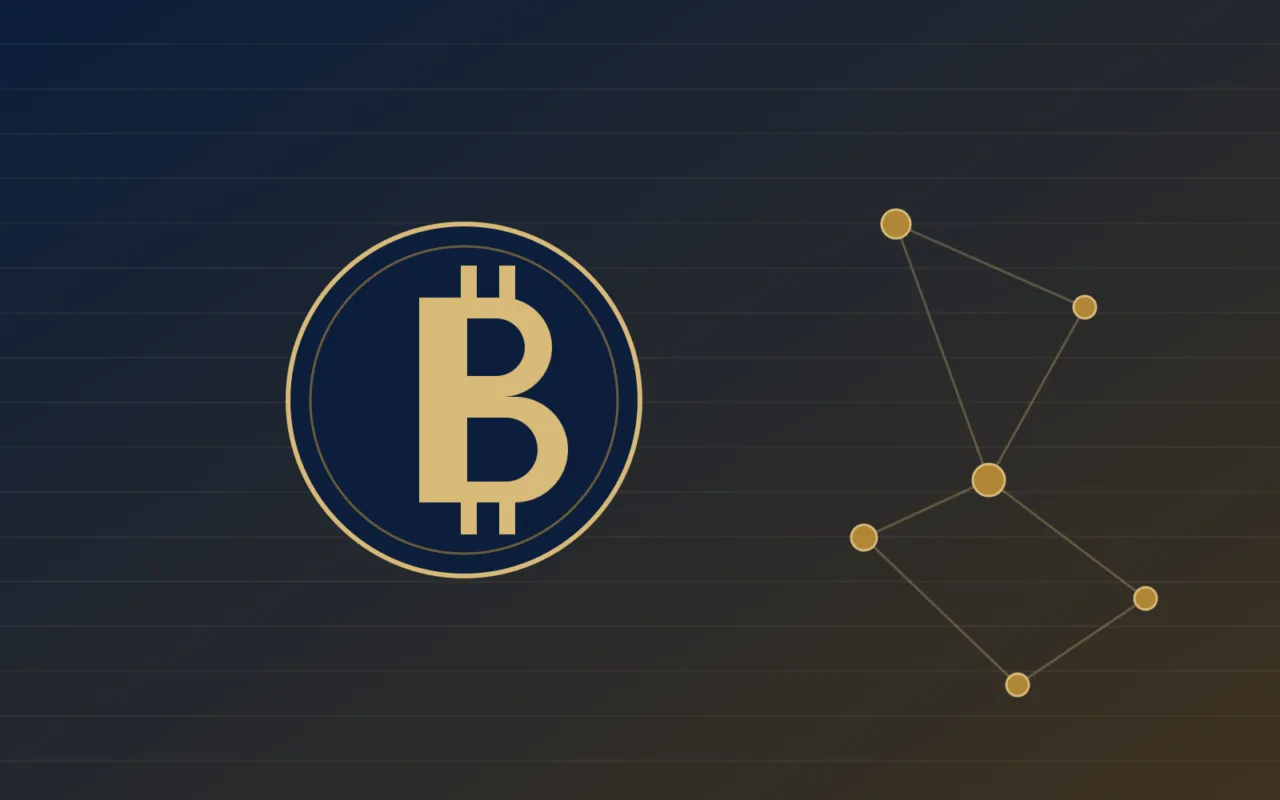
Bitcoin is a digital asset that runs on a shared network of computers instead of a bank or government, with a supply capped by its software. For beginners, the short answer is this: it is a real technology worth understanding, but it is also highly volatile, unprotected by deposit insurance, and a magnet for scams.
This guide from FMBanksia.com explains how Bitcoin works in plain English, what can go wrong, and how to think about it calmly if you are curious. It is education, not a recommendation to buy.
Key takeaways
- Bitcoin is a decentralized digital asset recorded on a public ledger called the blockchain.
- Its price can rise or fall sharply in days, so money you need soon does not belong in it.
- There is no deposit insurance, and most Bitcoin payments cannot be reversed.
- Scammers often demand or promise Bitcoin; legitimate agencies never ask you to pay in crypto.
- If you buy any, keep it small, learn custody first, and track your taxes.
What Bitcoin actually is
Bitcoin launched in 2009 as an experiment in digital money that no single company controls. Thousands of computers around the world keep copies of the same transaction record and agree on updates using a set of shared rules.
That record is the blockchain. Every transfer is grouped into a “block” and added to a growing chain that anyone can inspect. Changing old entries would require overpowering most of the network, which is what makes the ledger hard to tamper with.
How new coins are created
New bitcoins are issued to “miners,” who use specialized computers to secure the network and process transactions. The issuance rate falls on a fixed schedule, and the total supply is capped at 21 million coins by the software itself.
That built-in scarcity is why some people call Bitcoin “digital gold.” Scarcity alone, however, does not guarantee value. A price exists only because buyers are willing to pay it.
Wallets and keys
You do not hold Bitcoin the way you hold cash. You hold a private key, a long secret code that proves you control certain coins on the blockchain. A “wallet” is simply software or a device that stores those keys.
Whoever has the key controls the coins. Lose the key with no backup, and the coins are effectively gone. Share it with a scammer, and they can move your coins in minutes.
Why people are interested
Supporters point to a few features that set Bitcoin apart from traditional money and investments:
- Fixed supply. No central bank can create more than the software allows.
- Open access. Anyone with an internet connection can hold and send it.
- Independence. It does not depend on a single company or government to operate.
- Transparency. Transactions are publicly visible on the blockchain, though not tied to names by default.
Critics counter that Bitcoin produces no earnings or interest, that its value rests on sentiment, and that its energy use and role in fraud are serious concerns. Both views deserve a hearing before you put money in.
The risks every beginner should know
The risks are not footnotes. They are the main thing to understand before going any further.
Volatility
Bitcoin’s price can swing dramatically in days or even hours. Say you put $500 into Bitcoin and the price drops by half over a few months, which has happened more than once in its history. Your stake would be worth $250, and there is no guarantee it ever recovers.
That is why money for rent, bills, or emergencies should stay somewhere stable. Our guide to building an emergency fund explains where that cash belongs instead.
No safety net
Crypto held on a platform is not protected the way bank deposits are. The Federal Trade Commission warns that crypto is not backed or insured by the government, and payments typically cannot be reversed. If an exchange fails or is hacked, you may not get your money back.
Scams
Bitcoin is popular with fraudsters because transfers are fast and hard to undo. Common patterns include fake investment “coaches” met on social media or dating apps, impostors posing as government agencies, and blackmail emails demanding payment in crypto.
A simple rule helps: anyone who demands payment in Bitcoin, or promises guaranteed returns, is almost certainly running a scam. Our article on how to spot financial scams covers the warning signs in more detail.
Rules are still changing
Regulation of crypto continues to evolve in the US and abroad. New rules can affect which platforms operate, what they must disclose, and how easily you can buy or sell.
Bitcoin compared with familiar options
At FMBanksia.com, we find it helps to see Bitcoin next to places where everyday savers already keep money.
| Feature | Bitcoin | Bank savings account | Broad stock index fund |
|---|---|---|---|
| Price stability | Very low; large swings are common | High; balance does not fluctuate | Moderate; rises and falls with markets |
| Government deposit insurance | No | Yes, at insured banks up to limits | No |
| Produces income | No | Interest | Dividends and company earnings |
| Can mistakes be reversed? | Usually not | Often, through the bank | Through the broker, in many cases |
| Main beginner risk | Volatility, scams, lost keys | Inflation eroding value | Short-term market drops |
If your goal is long-term growth, it is worth reading how to start investing with $500 in diversified funds before considering anything speculative.
A sensible approach if you still want to try it
Plenty of people decide Bitcoin is not for them, and that is a perfectly reasonable choice. If you do want some exposure after weighing the risks, a cautious process looks like this:
- Cover the basics first. Have an emergency fund and no high-interest debt.
- Size it small. Only use money you could lose entirely without changing your life.
- Use a reputable, regulated platform. Type its web address yourself rather than clicking links in messages.
- Learn custody. Decide whether a platform or your own wallet holds the keys, and back up recovery phrases offline.
- Keep records. The IRS treats digital assets as property, not currency, so selling or spending Bitcoin can trigger a taxable gain or loss.
- Ignore the noise. Daily price moves and online hype are not a plan.
This article is general education, not personal financial, tax, or investment advice. Crypto assets are high-risk and you can lose your entire investment.
To see how Bitcoin fits alongside other digital assets, browse the crypto section, where our explainer on how stablecoins work is a natural next read. For core building blocks like funds and diversification, the investing section is a better starting point, and you can find more plain-English explainers in the FMBanksia.com money guides.
Frequently asked questions
Is Bitcoin a safe investment for beginners?
Bitcoin is not considered safe in the way a savings account is. Its price is highly volatile, it carries no deposit insurance, and mistakes are usually permanent. Beginners who choose to buy any should treat it as a small, speculative position and only use money they could afford to lose completely.
Do I need to buy a whole bitcoin?
No. Bitcoin can be divided into very small fractions, so you can buy a few dollars’ worth on most platforms. That makes it easy to start small. Remember that a low entry amount does not lower the risk itself; a small stake can still fall sharply in value.
What happens if I lose my wallet password or keys?
If you control your own keys and lose them without a backup, there is generally no company that can restore access. The coins remain on the blockchain but are unusable. That is why writing down recovery phrases and storing them securely offline matters before you ever buy.
Do I owe taxes on Bitcoin?
Often, yes. In the US, digital assets are treated as property, so selling, trading, or spending Bitcoin can create a capital gain or loss that must be reported. Keep records of what you paid and when, and consider speaking with a tax professional if your situation is complicated.
This guide is for general education only and is not personalised financial, tax or legal advice. Consider speaking with a qualified professional about your situation. See our financial disclaimer.