You can start investing with $500 by covering a few basics first, opening a low-cost brokerage or retirement account, and putting the money into a broad, diversified index fund. The amount matters far less than the habit you build around it. This guide from FMBanksia.com walks through each step in plain English, including the risks.
Key takeaways
- Build a small emergency cushion and tackle high-interest debt before investing your first $500.
- A brokerage account with no minimums and fractional shares lets every dollar go to work.
- One broad, low-cost index fund is a simple and diversified starting point.
- Automatic monthly contributions usually matter more than the size of your first deposit.
- Expect ups and downs; money you need within a few years generally doesn’t belong in stocks.
Why $500 is enough to begin
A generation ago, many funds required thousands of dollars to open an account. Today, many brokerages have no account minimums, and many offer fractional shares, so a small sum can buy a slice of a fund instead of a whole share.
That changes what your first $500 is really for. It is not meant to make you rich. It is meant to get you in the door, teach you how an account works, and let you experience owning an investment through normal market swings.
Step 1: Make sure you’re ready
Investing works best with money you won’t need to pull out at a bad moment. Before you buy anything, run through a short readiness check.
Have a cash cushion
If your car breaks down and you have no savings, you may be forced to sell investments when prices are low. Even a starter cushion of a few hundred dollars helps. Our guide to building an emergency fund explains how to grow that buffer over time, and a high-yield savings account is a common place to keep it.
Deal with high-interest debt
Credit card balances often carry interest rates well above what a typical stock fund has historically returned on average. Paying down that debt is a guaranteed saving, while market returns are never guaranteed. If you carry a card balance, consider splitting your $500 or putting it all toward the debt first.
Know your time horizon
Stocks can drop sharply in any given year. As a general rule, money you need within the next few years, such as a down payment, is better kept in safer places. Money you won’t touch for five years or more has more time to recover from downturns.
Step 2: Choose the right account
Where you hold your investments affects your taxes and how easily you can withdraw. Here are the most common options for a beginner.
| Account type | Best for | Tax treatment | Things to know |
|---|---|---|---|
| Taxable brokerage account | Flexible goals, any time frame | Taxes on dividends and gains when realized | Withdraw any time; no contribution limits |
| Traditional IRA | Retirement savings | Contributions may be tax-deductible; withdrawals taxed | Early withdrawals may face penalties; annual limits apply |
| Roth IRA | Retirement savings, especially if you expect higher taxes later | Contributions after tax; qualified withdrawals tax-free | Income limits and annual limits apply |
| Employer 401(k) | Workers whose employer offers a plan | Usually pre-tax, with Roth options at some employers | An employer match, if offered, is valuable |
If your employer offers a 401(k) match, contributing enough to get the full match is often the first priority. Otherwise, many beginners start with a Roth IRA or a regular brokerage account.
What to look for in a provider
- No account minimum, so $500 is enough to open it.
- Commission-free trades on the funds you plan to buy.
- Fractional shares or low fund minimums, so your full $500 gets invested.
- Automatic investing, so you can schedule recurring contributions.
- A simple interface that doesn’t nudge you toward frequent trading.
Step 3: Keep the investment simple
With $500, trying to pick individual stocks means owning just a handful of companies. If one stumbles, a big chunk of your money stumbles with it. A broad fund spreads that risk across hundreds or thousands of companies at once.
Spreading money across different investments to reduce risk is called diversification, and the SEC’s beginners’ guide to asset allocation and diversification explains why it matters and how your mix should reflect your time horizon and risk tolerance.
Why index funds are a common first choice
An index fund aims to match a market benchmark rather than beat it. According to FINRA’s overview of mutual funds, index funds usually have lower operating costs than actively managed funds, and few active funds beat their benchmarks over long periods. Low costs matter more than most beginners expect, because fees come out every year.
You can hold an index fund as a mutual fund or as an exchange-traded fund. We break down the practical differences in index funds vs ETFs. For a first $500, either can work well.
Step 4: Automate what comes next
Your first deposit is a starting line. What builds wealth over time is adding money regularly. Most brokerages let you schedule an automatic transfer and purchase every month.
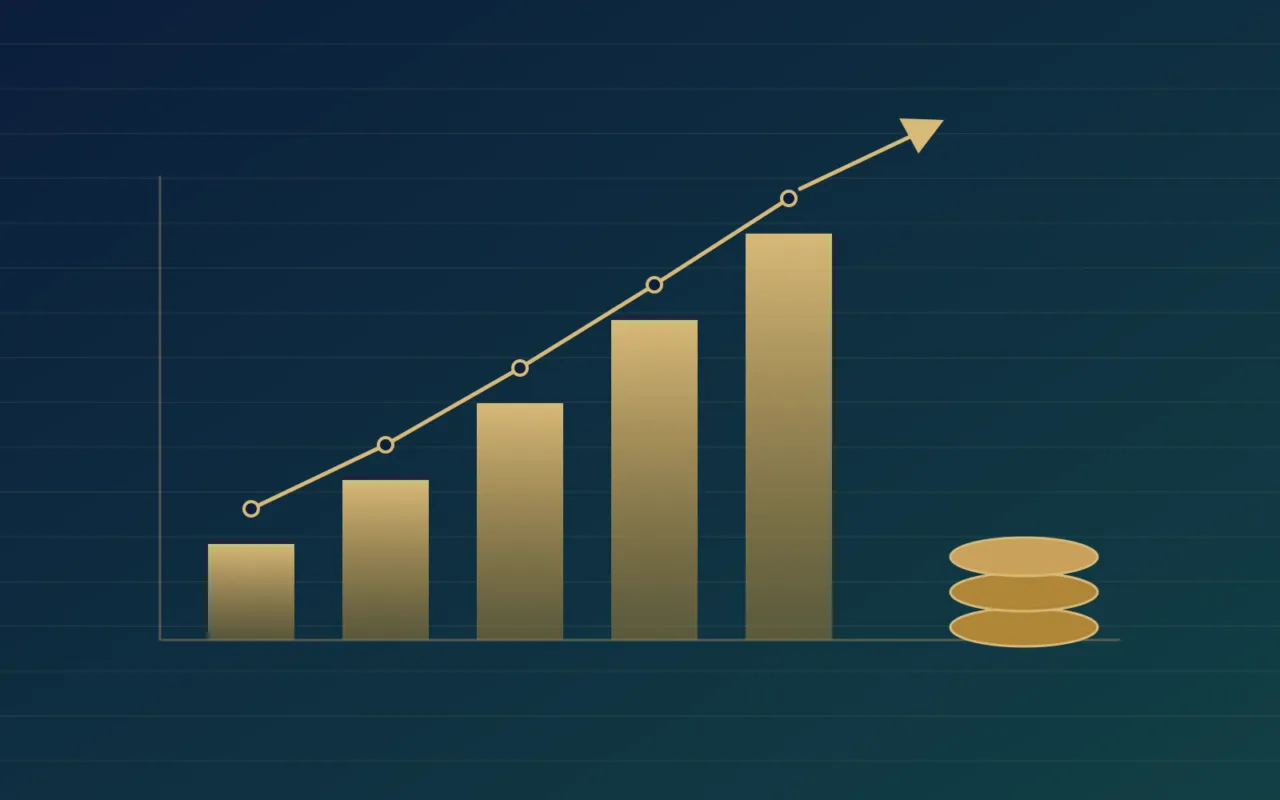
Here is a hypothetical example. Say you invest $500 today and add $50 every month for ten years. You would contribute $6,500 in total. If the investments grew, the balance could end up higher than that; if markets did poorly, it could be lower. The point is that the monthly habit adds far more money than the starting amount.
Finding that $50 is often a budgeting question. The 50/30/20 budget rule offers a simple way to set aside a slice of each paycheck for saving and investing.
Step 5: Expect volatility and stay patient
Markets fall, sometimes sharply. Your $500 could be worth $430 a few months from now. That is uncomfortable, but it is a normal part of investing in stocks, not a sign that something is broken.
The biggest risk for many new investors is selling in a panic during a downturn and locking in losses. Checking your balance less often can help. So can remembering why you invested: a goal that is years away.
This article is for general education only and is not personalized financial, tax or investment advice. All investments carry risk, including the loss of principal. Consider speaking with a qualified professional about your situation.
Common beginner mistakes to avoid
- Chasing hot tips. Investments that are all over social media are often the riskiest.
- Trading too often. Frequent buying and selling can add costs and taxes.
- Ignoring fees. Compare expense ratios before you buy any fund.
- Investing money you’ll soon need. Short-term cash belongs in savings.
- Waiting for the perfect moment. Nobody can reliably time the market.
For more beginner-friendly FMBanksia.com guides on funds, accounts and long-term strategy, browse the Investing section, and see our Personal Finance hub for budgeting and saving basics.
Frequently asked questions
Is $500 really enough to start investing?
Yes. Many brokerages have no account minimums and offer fractional shares, so $500 can buy a diversified fund. The amount is less important than starting early and adding to it regularly. Just make sure you have some emergency savings and no high-interest debt that would be better to pay off first.
Should I put my $500 in individual stocks?
For most beginners, a broad index fund is a safer starting point than a few individual stocks. With only $500, owning a handful of companies concentrates your risk. A fund holding hundreds or thousands of companies spreads that risk out, usually at a low cost, while you learn how markets behave.
Can I lose money investing $500?
Yes. Stock and bond investments can lose value, and there is no guarantee you will get back what you put in. Losses are more likely over short periods. Investing only money you won’t need for several years and staying diversified can help you ride out downturns rather than sell at a low point.
Where can I learn more before I invest?
Start with neutral, educational sources such as the SEC and FINRA, which explain products, fees and risks without selling anything. You can also explore more plain-English money guides on FMBanksia.com, where we cover saving, budgeting and investing basics for everyday readers, without hype or product pitches.
This guide is for general education only and is not personalised financial, tax or legal advice. Consider speaking with a qualified professional about your situation. See our financial disclaimer.